The Americas
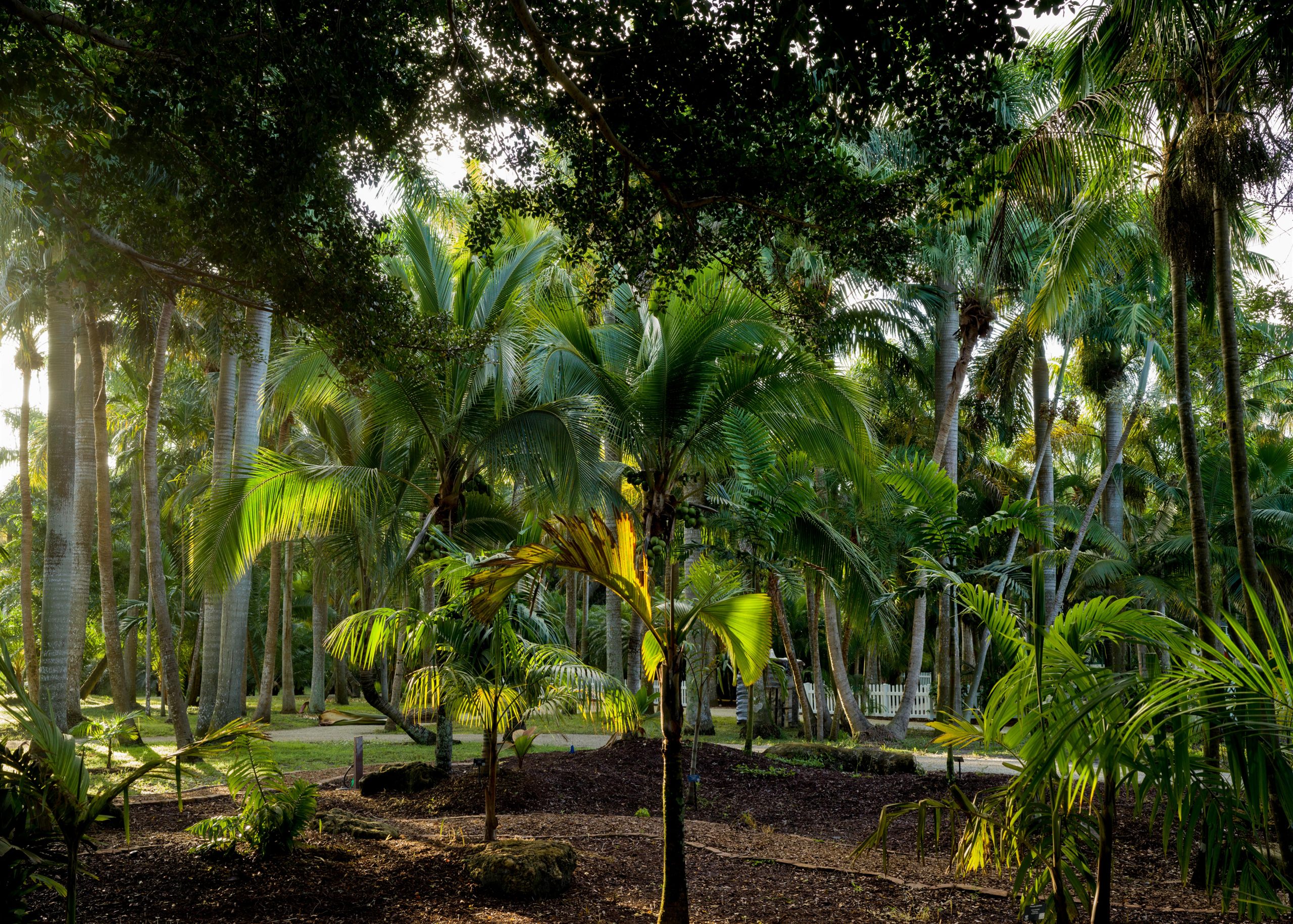
The Americas are home to an extraordinary diversity of palms — from the icy-wind-resistant Pindo Palm of South America's southern cone, to the skinny, soaring Açaí Palm of the Amazon estuary, to the humble Parlor Palm hugging the rainforest floor in Mexico and Guatemala. Ecologists estimate the Amazon basin alone contains more than 170 palm species, with at least 96 producing edible fruits. The Amazon is, in many respects, a palm forest: indigenous peoples in the region have documented using 38 different species for 38 different functional purposes — food, construction, fiber, medicine, ritual, and commerce.
South America's contribution to global palm culture is enormous. Carnauba wax from Brazil coats the surface of everything from luxury cars to gummy bears. Açaí berries, once a local staple food, now drive a global wellness industry. The coconut oil trade, though centered in the Pacific, finds its South American parallel in the buriti oil of the Moriche Palm — rich in beta-carotene and used across Amazonian cultures for centuries. In the Caribbean and Central America, the Royal Palm became a symbol of nationhood, and the Cabbage Palm defined Florida's coastal landscape long before Europeans arrived.
Your Car Has This Palm in It
Carnauba wax — harvested from the leaves of Copernicia prunifera in Brazil's Ceará state — is the hardest natural wax known. It is used in car wax, shoe polish, food glazing, lip balm, dental floss, and pharmaceutical coatings.
Superfood
Açaí berries have been a dietary staple for Amazonian communities for centuries. The palm (Euterpe oleracea) is also harvested for hearts of palm, and its dense groves in the Amazon estuary create habitat for countless species.
Mr. Freeze
The Pindo Palm (Butia capitata) can withstand temperatures as low as 12°F — extraordinary for a feather palm. Its fruits are sweet enough to be made into jelly and wine, and are eaten by birds, mammals, and bears in its native South America.
Palms of This Region
Alexander von Humboldt — one of history's greatest naturalists — called the Moriche Palm (Mauritia flexuosa) the "Tree of Life" after observing how completely the Warao people of the Orinoco Delta depended on it. From its starchy pith to its fermentable sap, from its leaves woven into hammocks and baskets to its trunk used as construction timber, the Moriche provides for every human need. That relationship is ancient and ongoing. In a region as ecologically rich as the Amazon, it is striking that a single plant species can anchor an entire culture — but palms in the Americas have always been more than trees. They are infrastructure.
Moriche Palm
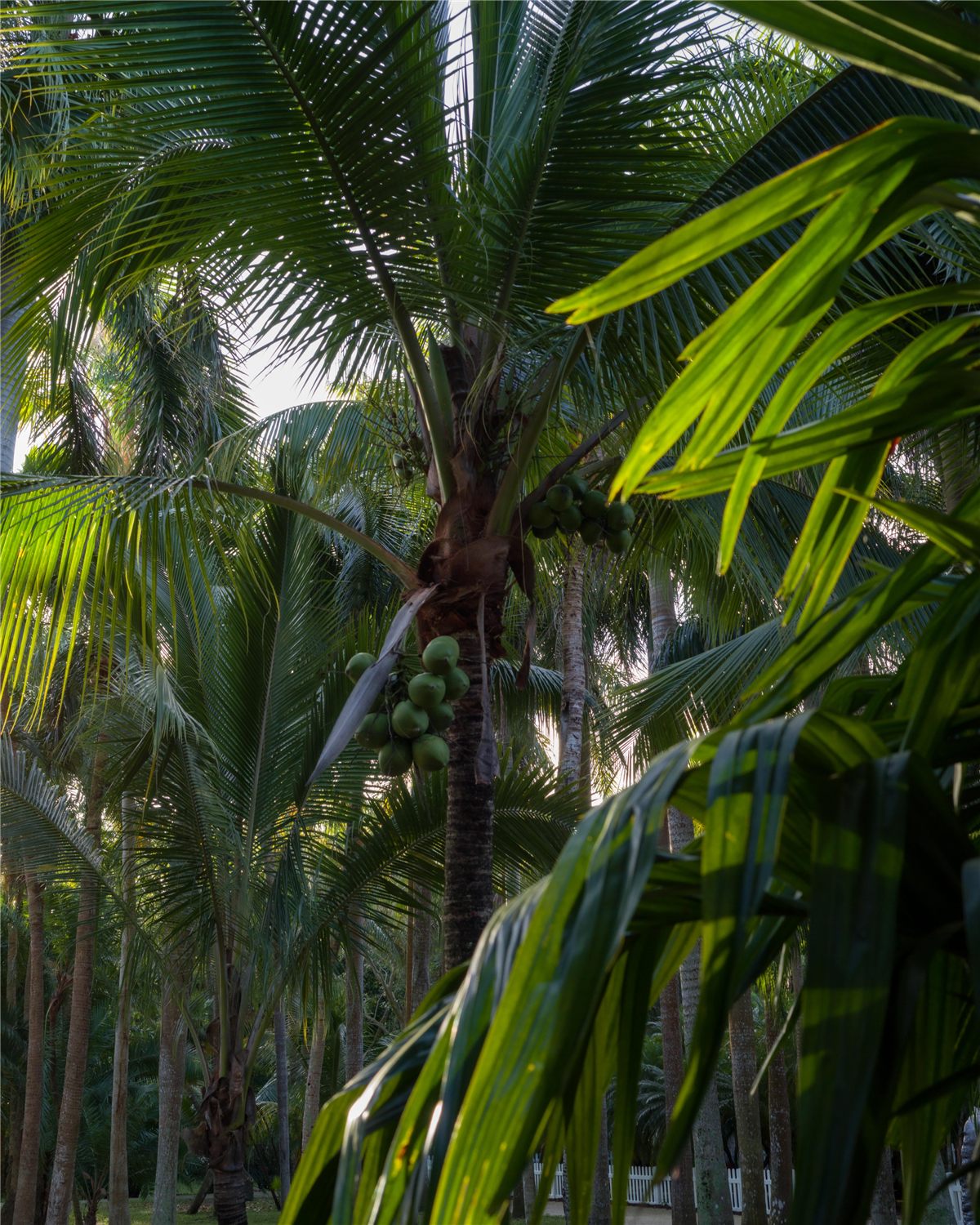
Alexander von Humboldt coined the name "Tree of Life" for the Moriche Palm in the early 19th century after traveling through the Venezuelan llanos and Orinoco Delta. He was documenting what indigenous peoples had known for generations: that a single species could sustain a civilization. The Warao of the Orinoco Delta historically extracted flour from its trunk, tapped its sap for fermented beverages, gathered its fruits (rich in vitamins A and C), harvested beetle larvae from its rotting trunk for protein, and wove its leaves into every form of basket, mat, and hammock. In the Amazon basin, vast stands of Moriche palms — called aguajales — create distinctive swamp ecosystems that host enormous biodiversity and store significant amounts of carbon.
Carnauba Wax Palm
The Carnauba Wax Palm grows in the dry, seasonally flooded caatinga and cerrado ecosystems of northeastern Brazil — a harsh environment that pushes the tree to produce an exceptionally thick waxy coating on its leaves to reduce water loss. That wax is harvested by hand: dried leaves are beaten and the wax flakes collected, then refined into one of the most commercially valuable natural waxes on Earth. Brazil exports thousands of tons annually. The Carnauba is also the state tree of Ceará, Brazil — a symbol of resilience in a semi-arid landscape.
Açaí Palm
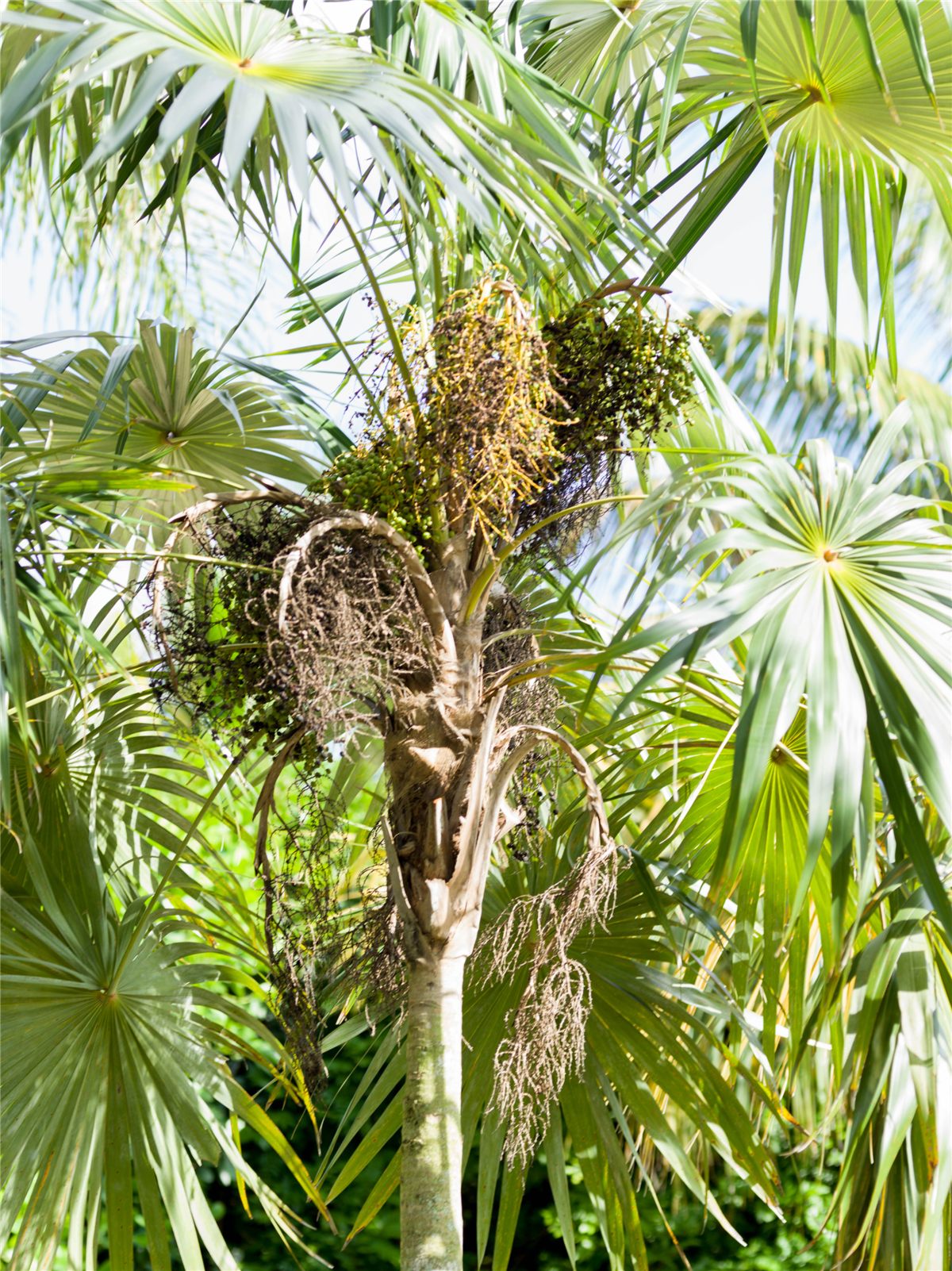
Long before the açaí bowl became a fixture of Southern California wellness culture, the Açaí Palm was a nutritional cornerstone of life in the Amazon estuary. Riverside communities in Pará state, Brazil, have depended on açaí berries as a primary calorie source for generations — consumed not as a luxury superfood but as an everyday staple, often mixed with manioc flour and fish. The palm is also harvested for hearts of palm, and its dense multi-stemmed growth creates lush forest habitats in flooded lowlands. Our specimen represents both the ecology of the Amazon and the global food story it has entered.
Cuban Royal Palm
Cuba's national tree appears on the country's coat of arms, grows in its plazas, and lines its rural roads in iconic double rows. The Cuban Royal Palm can reach 70 feet in height, with a smooth concrete-gray trunk and a brilliantly green crownshaft — the sheath of tightly packed leaf bases that gives it its distinctive two-tone column. It is ecologically important throughout the Caribbean, providing fruit for birds and mammals and nesting cavities for the Cuban Parrot. At Paradise Palms, it is one of the most dramatic specimens in our Americas collection.