Cycads
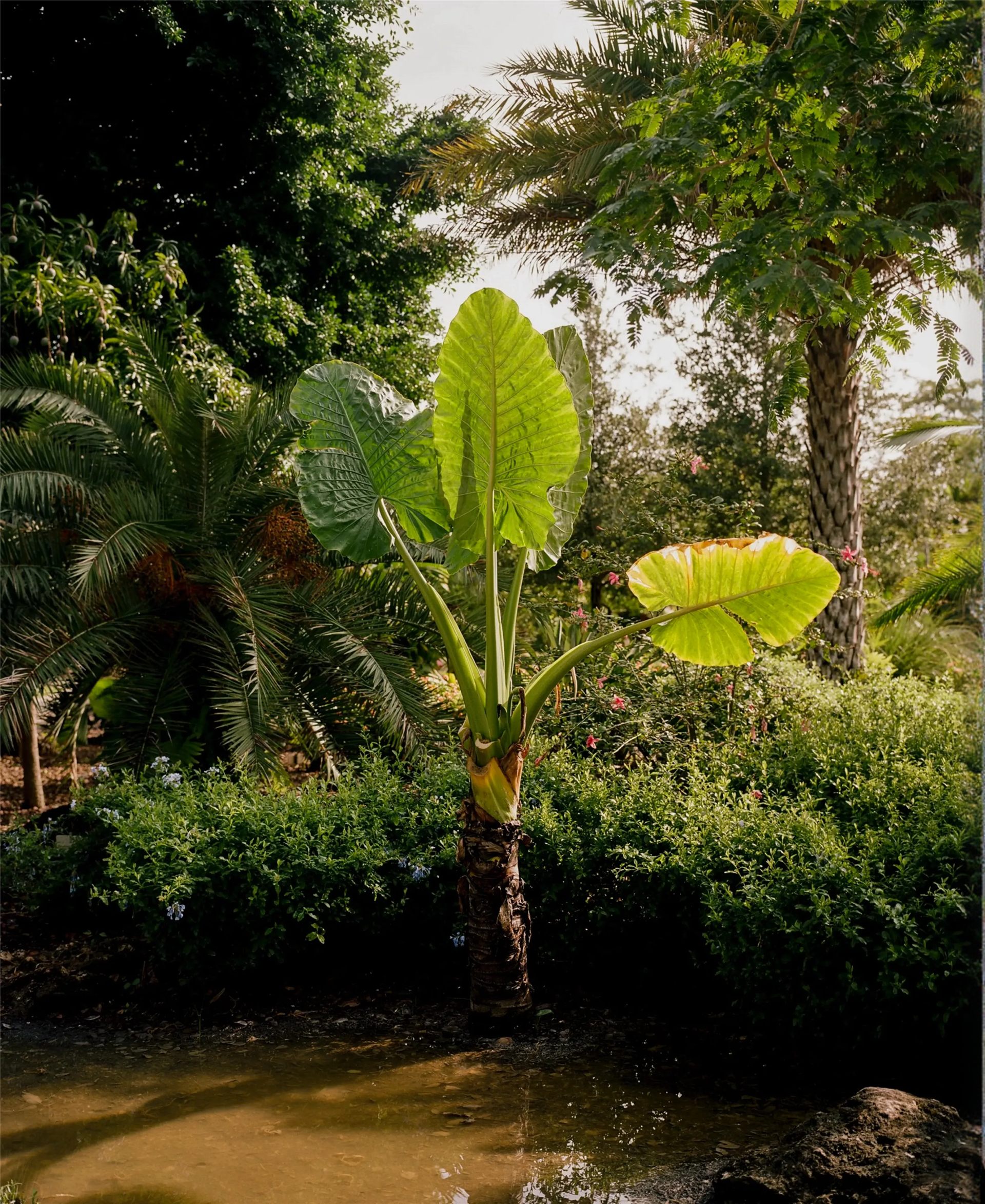
Cycads are not palms. They are not even closely related to palms. They belong to an entirely separate division of plant life — the Cycadophyta — with roots in the Permian period, more than 280 million years ago. When the first cycads evolved, there were no flowering plants anywhere on Earth. There were no birds. The dominant large animals were proto-reptiles, and the land was covered by vast forests of seed ferns and tree-like clubmosses. Cycads predate dinosaurs by tens of millions of years.
Today, approximately 300 cycad species survive on Earth — a tiny fragment of the diversity that once defined the Mesozoic flora. They are found in tropical and subtropical regions across Africa, the Americas, Asia, and Australia. And they are the most threatened group of plants in the world. The International Union for the Conservation of Nature (IUCN) estimates that 53% of all cycad species are currently threatened with extinction — driven by habitat destruction and, critically, by poaching for the collector market. Botanical gardens may be the last refuge for some species.
Older Than Dinosaurs
Cycads as a group have existed for more than 280 million years — predating dinosaurs by tens of millions of years. The Cycas genus that includes our Sago Palm has been alive, relatively unchanged, since the Triassic period.
Most Endangered
53% of cycad species are threatened with extinction — more than any other plant group in the world. Poaching for the collector market drives much of the crisis: rare specimens can sell for tens of thousands of dollars.
Vanishing Butterfly
The Atala butterfly (Eumaeus atala) feeds exclusively on the Florida Coontie (Zamia integrifolia) as a larva. When industrial starch harvesting nearly wiped out the Coontie in the early 20th century, the Atala nearly vanished too. Both species have partially recovered — and you can find both at Paradise Palms.
Cycads of the World
The cycad conservation crisis is both urgent and global. In South Africa, several Encephalartos species have been declared "extinct in the wild" — surviving only in botanical gardens and private collections. In Cuba, the Cork Palm (Microcycas calocoma) clings to a few hundred individuals in isolated patches of western Cuba. In Honduras, the Giant Dioon (Dioon mejiae) is harvested as a food plant and threatened by agricultural clearing. Even in Florida, the native Coontie (Zamia integrifolia) was nearly harvested to extinction in the early 20th century to supply a starch processing industry. Cycads have survived mass extinction events, ice ages, and continental drift. The question is whether they can survive us.
African Cycads
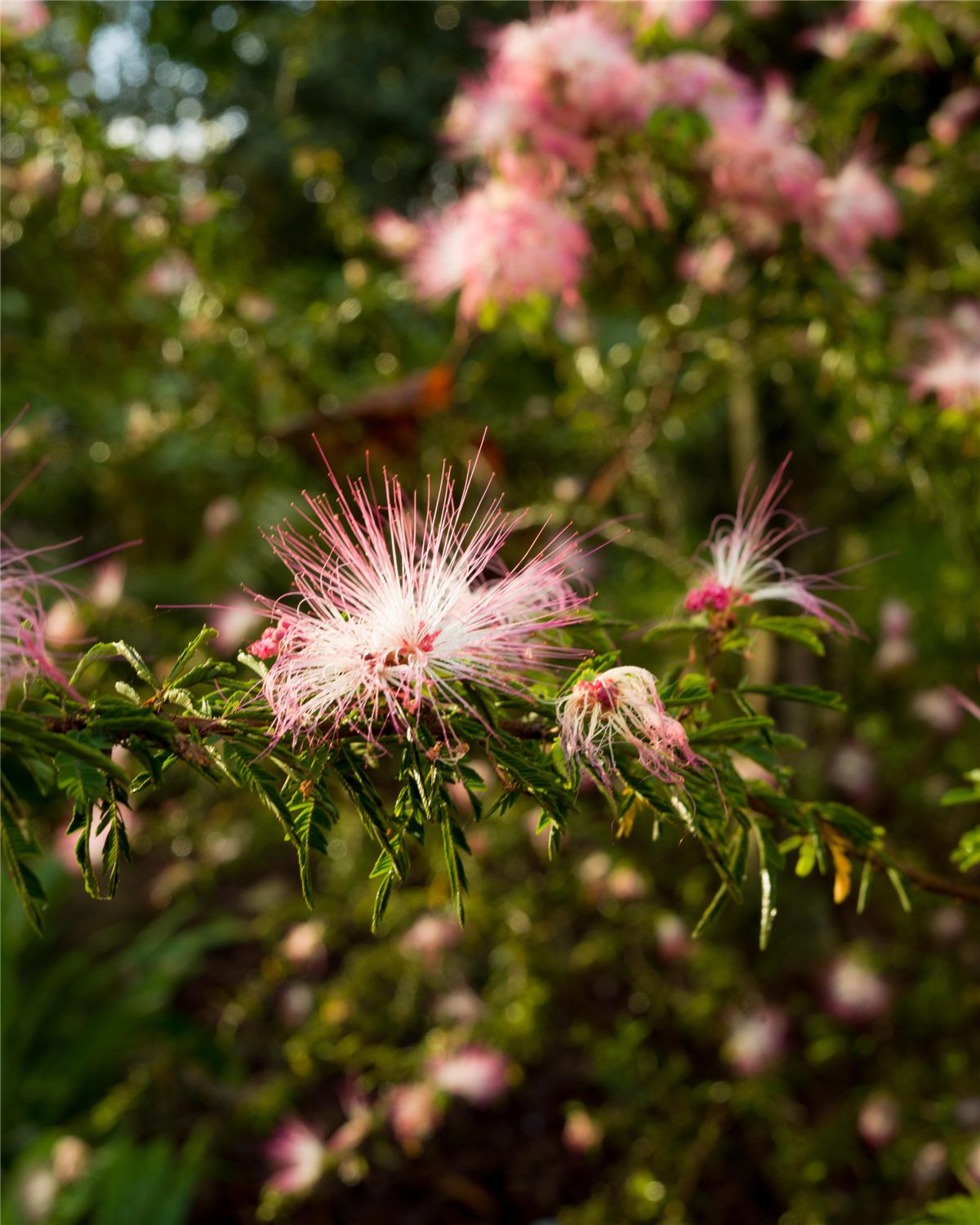
The Encephalartos genus contains more than 60 species, all endemic to sub-Saharan Africa — and many are among the most endangered plants on Earth. These are ancient, slow-growing plants: a cycad that appears to be a modest shrub may be 100 years old or more. Several South African species have been declared extinct in the wild — their last wild individuals were either collected into captivity for protection or simply stolen by poachers. The illegal cycad trade is a significant criminal industry in South Africa, with rare specimens commanding prices equivalent to luxury automobiles. Our collection includes several species that represent genuine conservation significance.
Florida Coontie
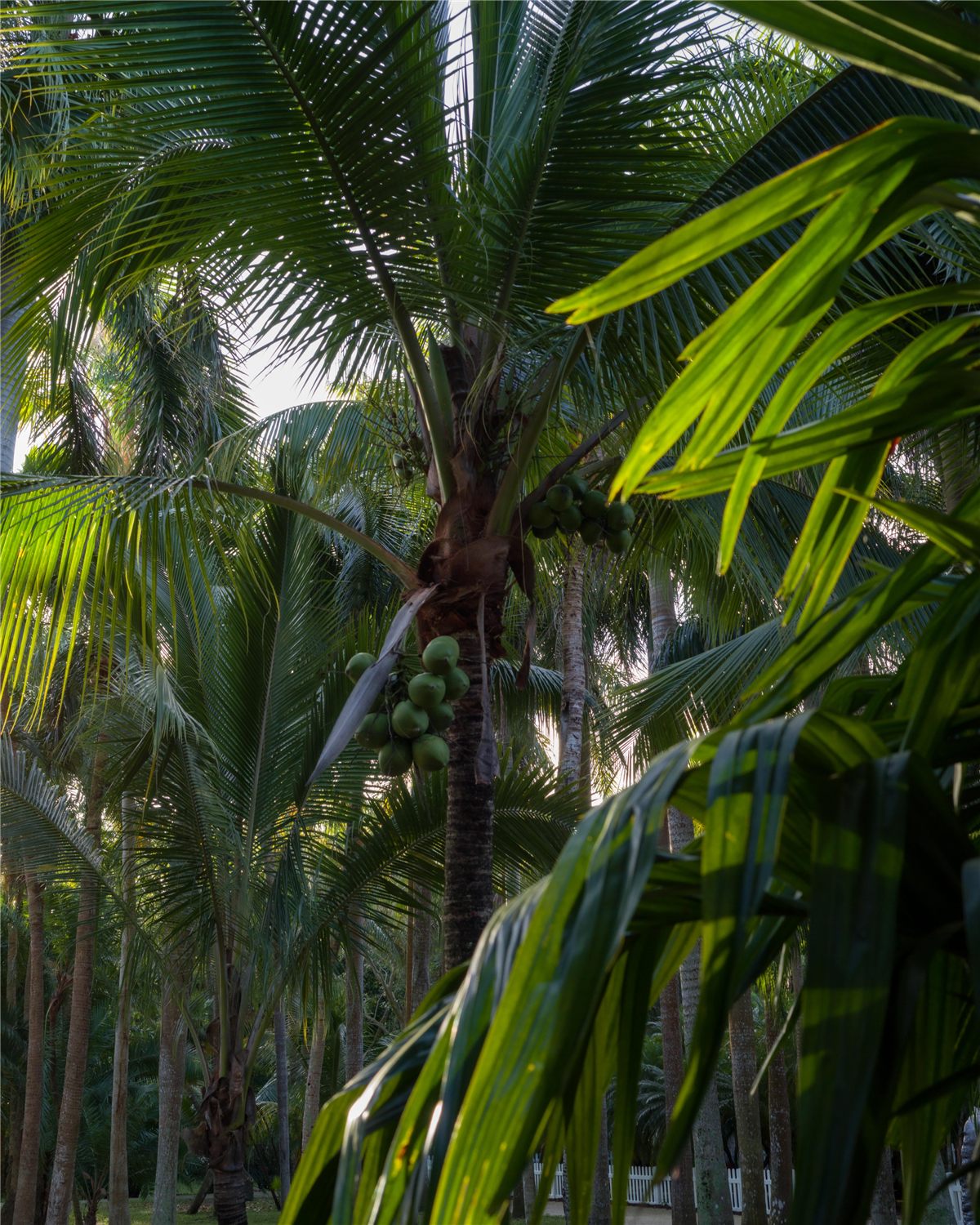
Florida's only native cycad is also one of its most ecologically critical. The Coontie grows in pine flatwoods, coastal hammocks, and rocky pinelands across central and south Florida — and it is the only larval food plant for the Atala butterfly (Eumaeus atala), a vivid blue and orange species that was itself believed to be extinct in Florida for most of the 20th century. When the Coontie was nearly wiped out by industrial starch extraction in the early 1900s, the Atala disappeared. As Coontie plantings recovered — partly through botanical garden propagation — the Atala returned. The two species are inseparable. At Paradise Palms, we grow Coontie specifically as part of that relationship: our plants provide larval habitat for Atala butterflies throughout the season.
Giant Dioon
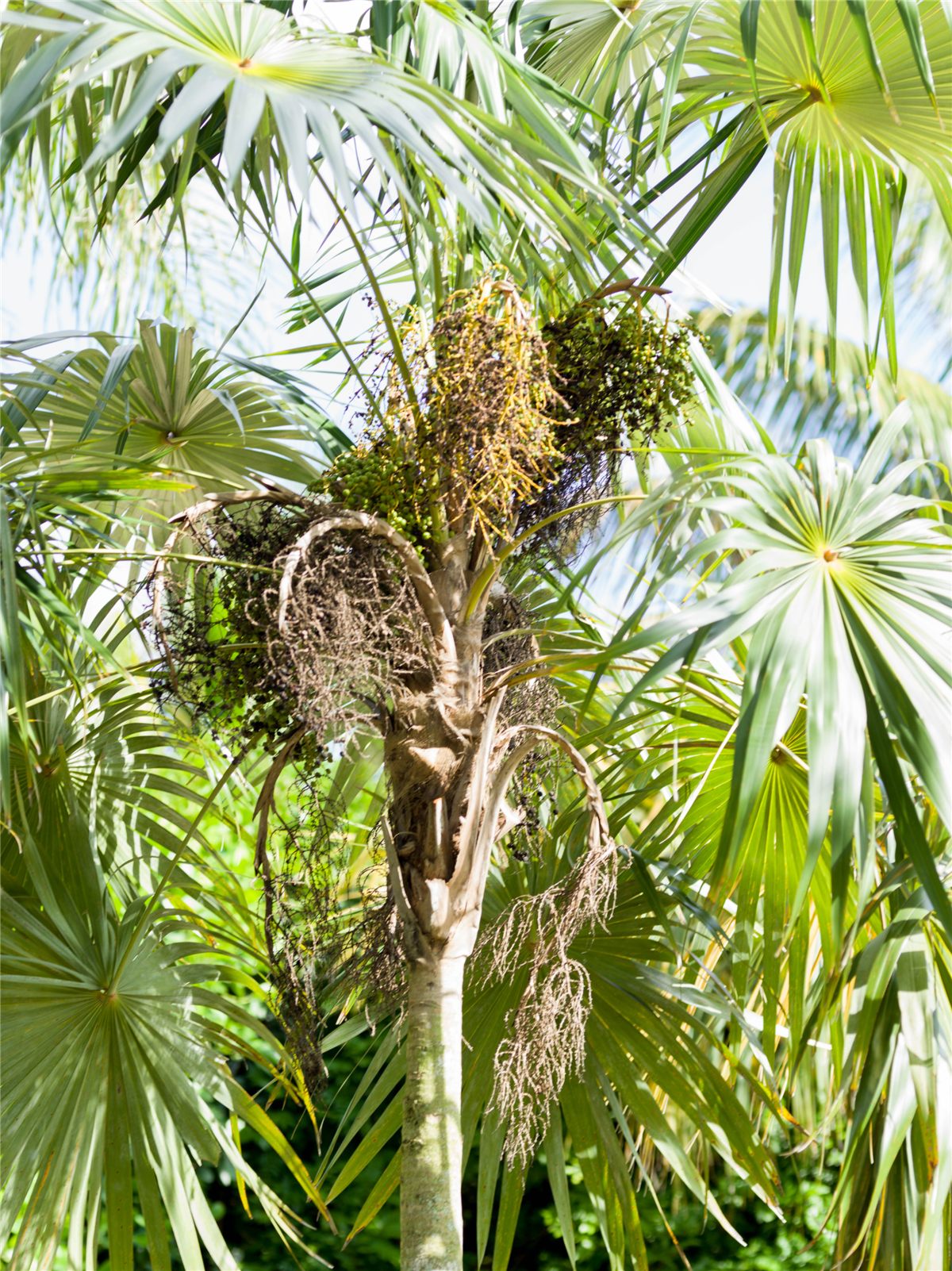
The Giant Dioon is the most imposing cycad in our collection — a towering, slowly accumulating trunk topped by a crown of stiff, feathery leaves that look like something from a Jurassic landscape illustration. Native to the sierra of Olancho, Honduras, it grows in dry tropical forest at elevations between 300 and 1,200 meters, where communities have historically harvested its seeds for food — ground into a flour used to make tortillas. The plant contains toxins that must be leached through extended soaking before consumption, a process long understood by local communities. Our specimens represent decades of careful cultivation and are among the largest Dioon mejiae in the southeastern United States.
Cork Palm
The Cork Palm is one of the rarest plants on Earth — and one of the most biologically isolated. Endemic to a small region of western Cuba's Pinar del Río province, it is the sole species in its genus, with no close living relatives. With only a few hundred individuals surviving in fragmented wild populations, it occupies a precarious position at the edge of existence. Its trunk, covered in the corky persistent leaf bases that give it its common name, grows very slowly to impressive heights — wild specimens can reach 30 feet over centuries. Our specimen was sourced through certified botanical channels and represents a living connection to an evolutionary lineage with no backup.